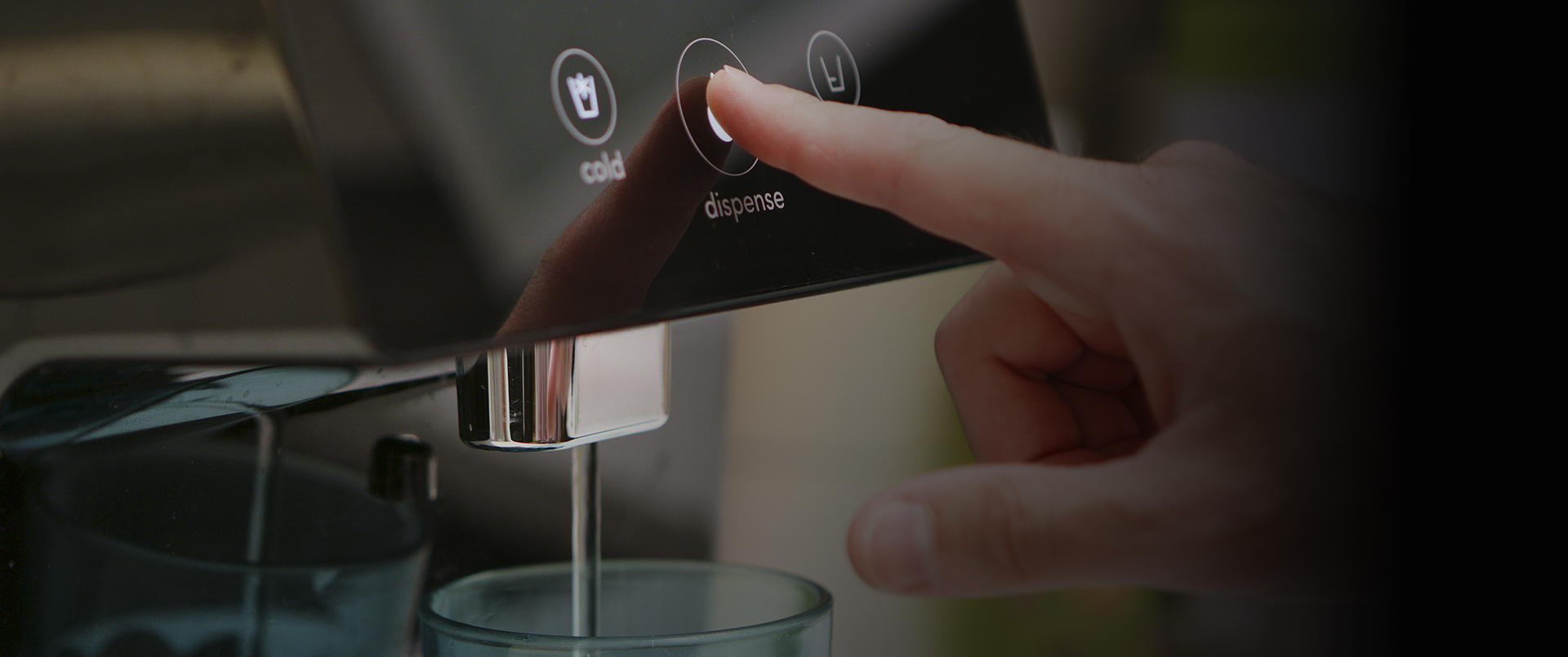
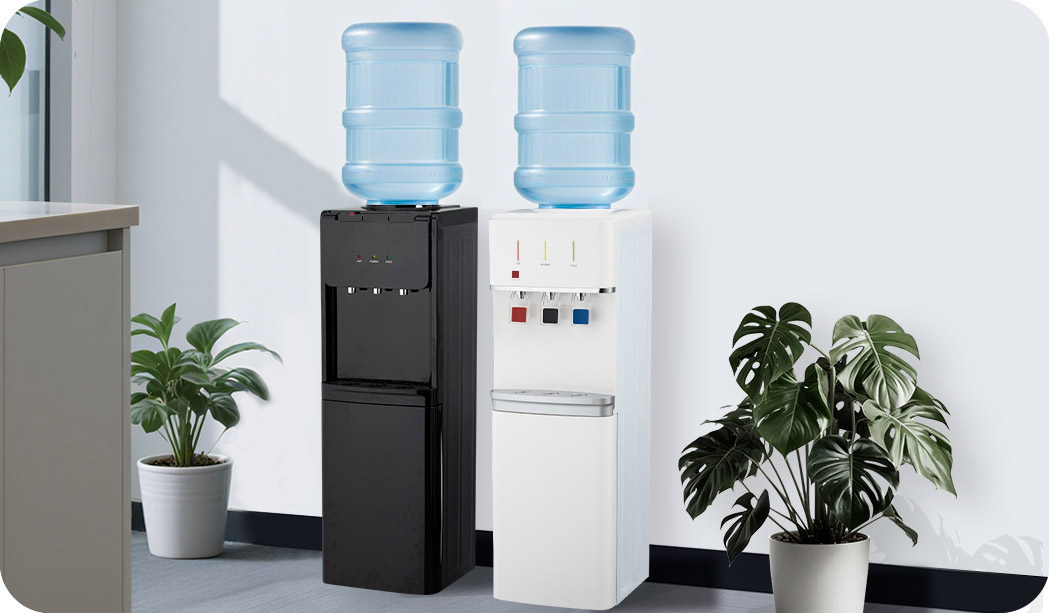
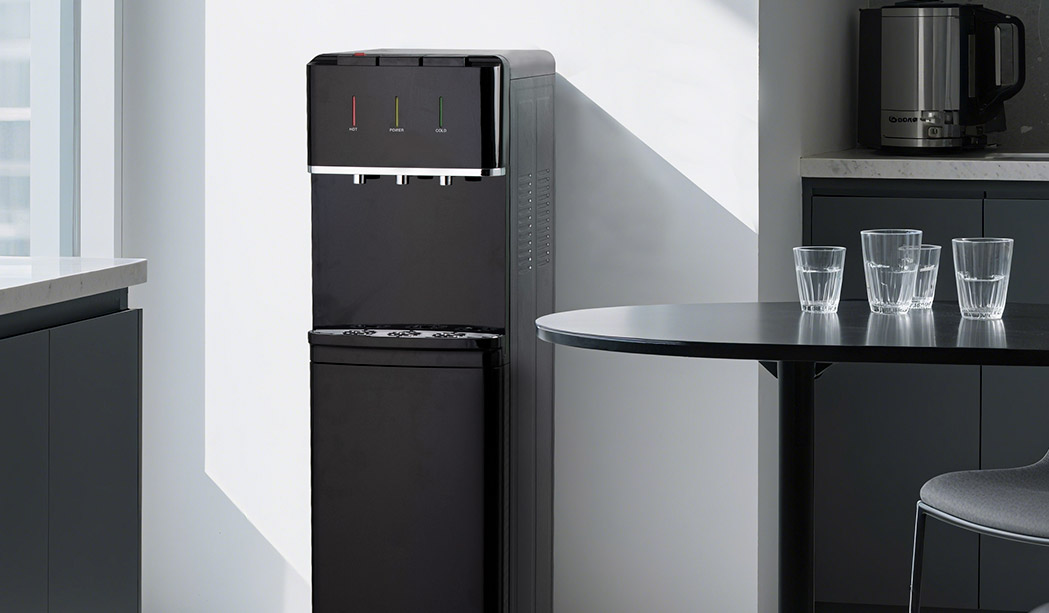
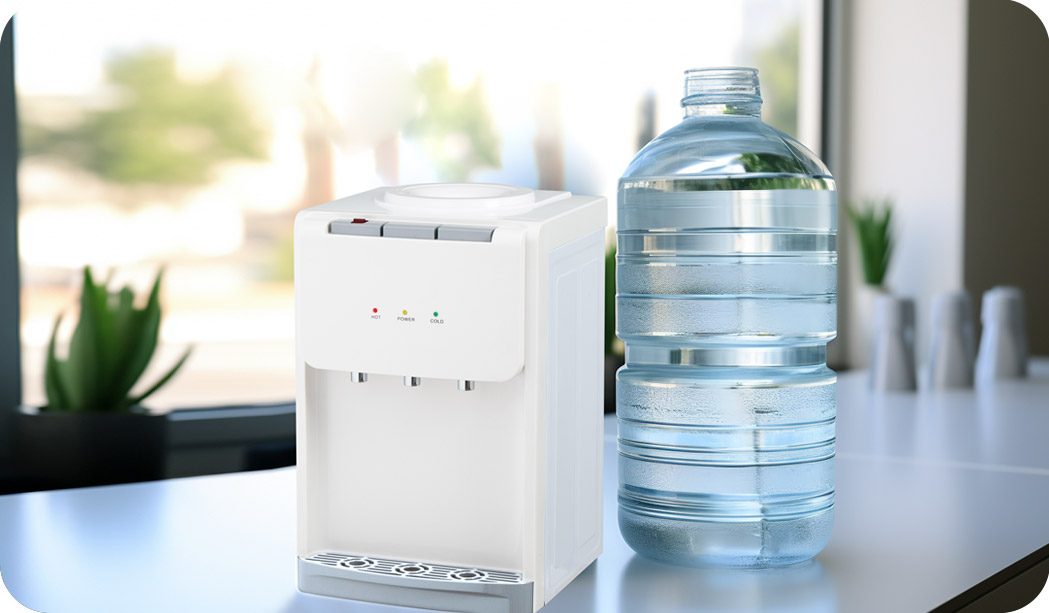
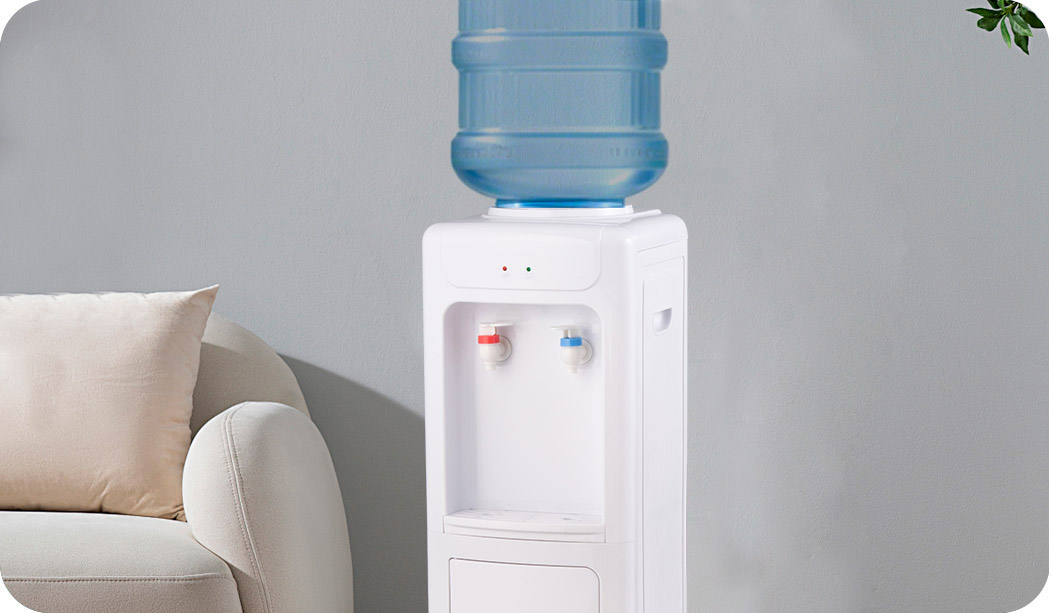
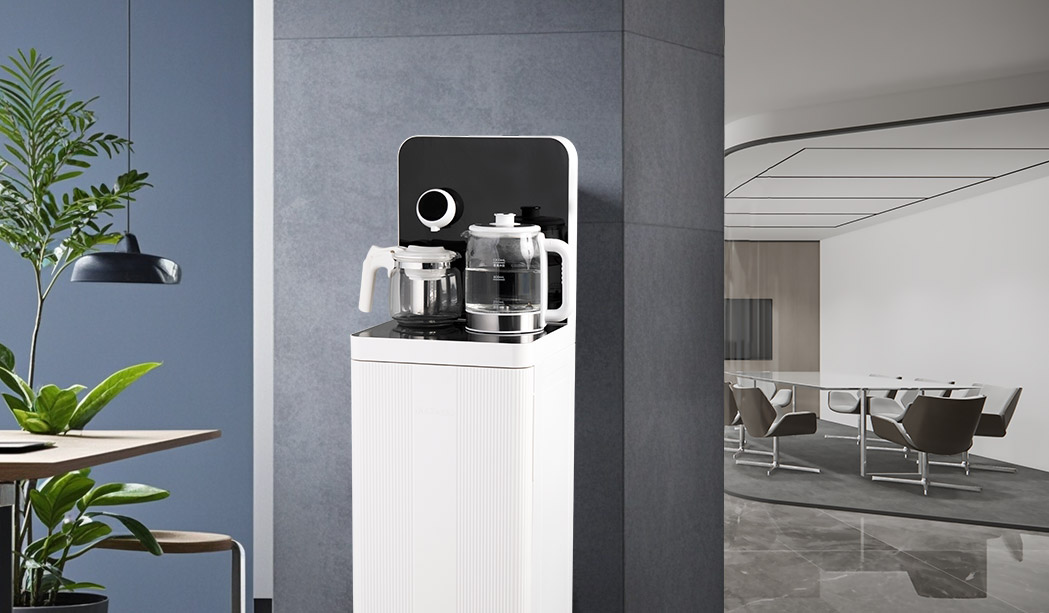
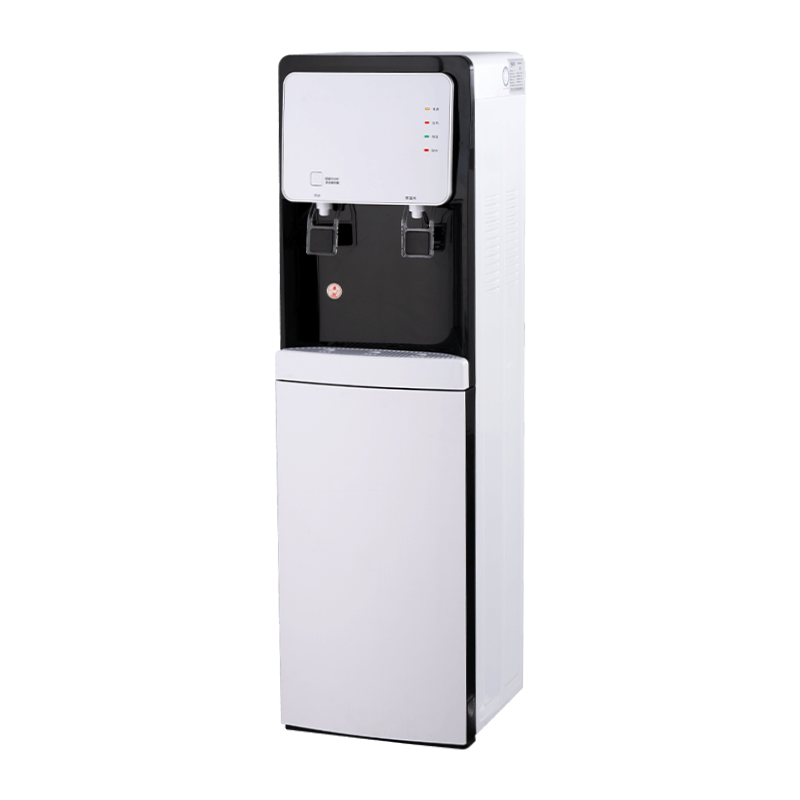
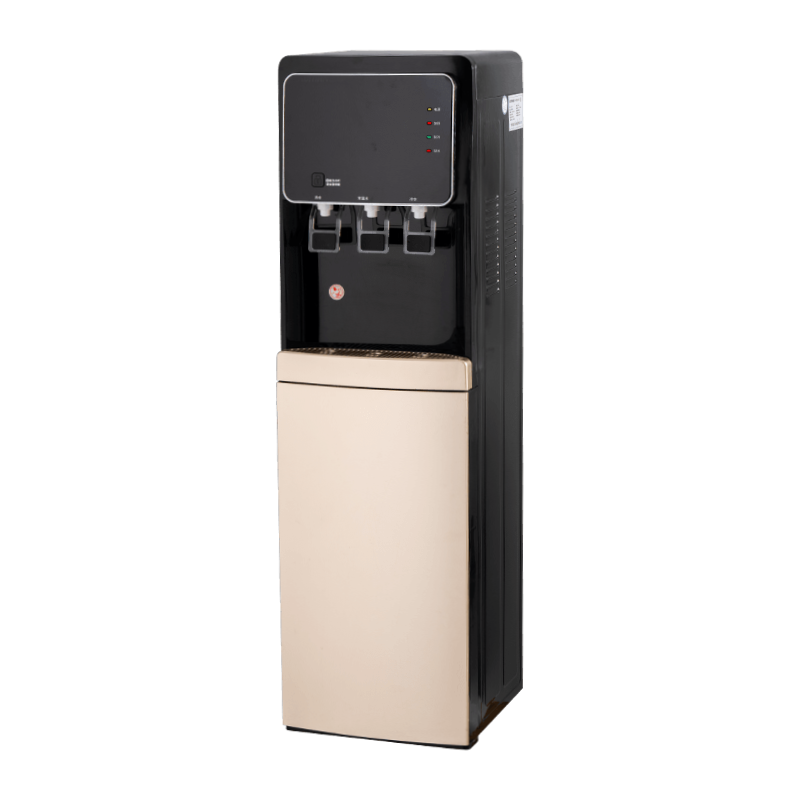
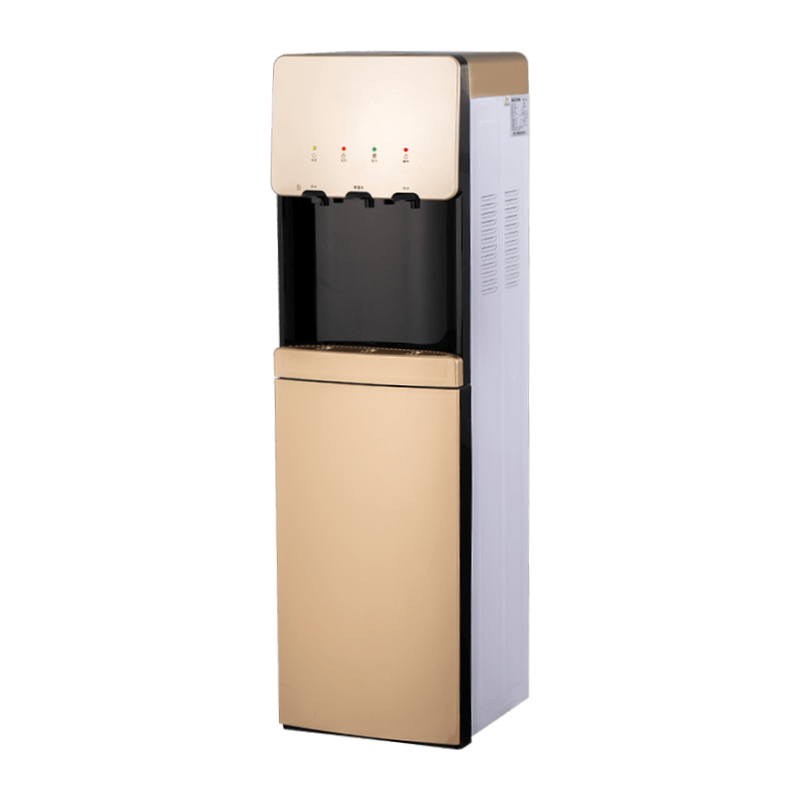
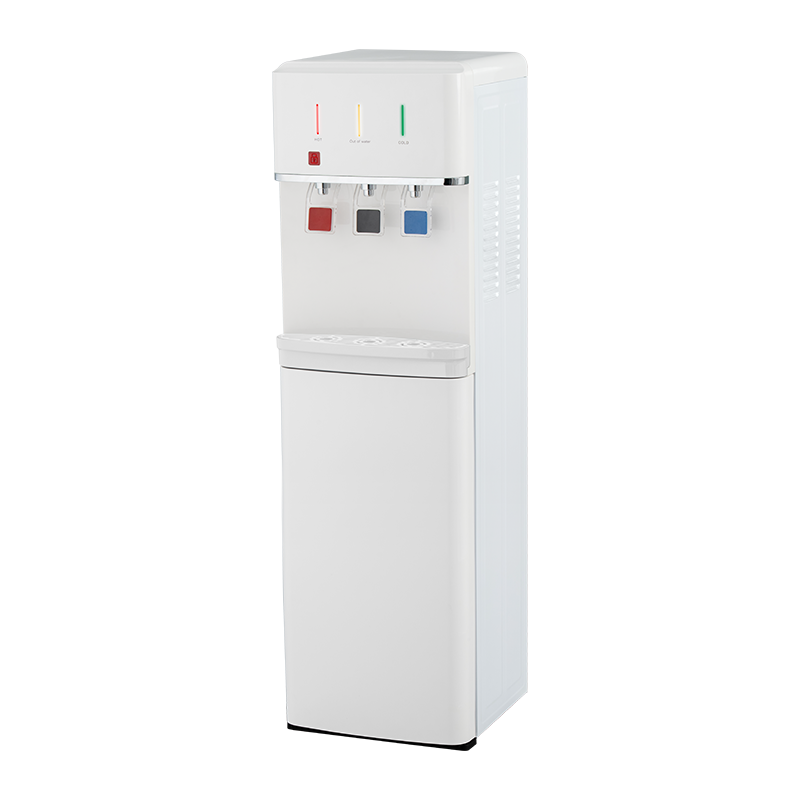
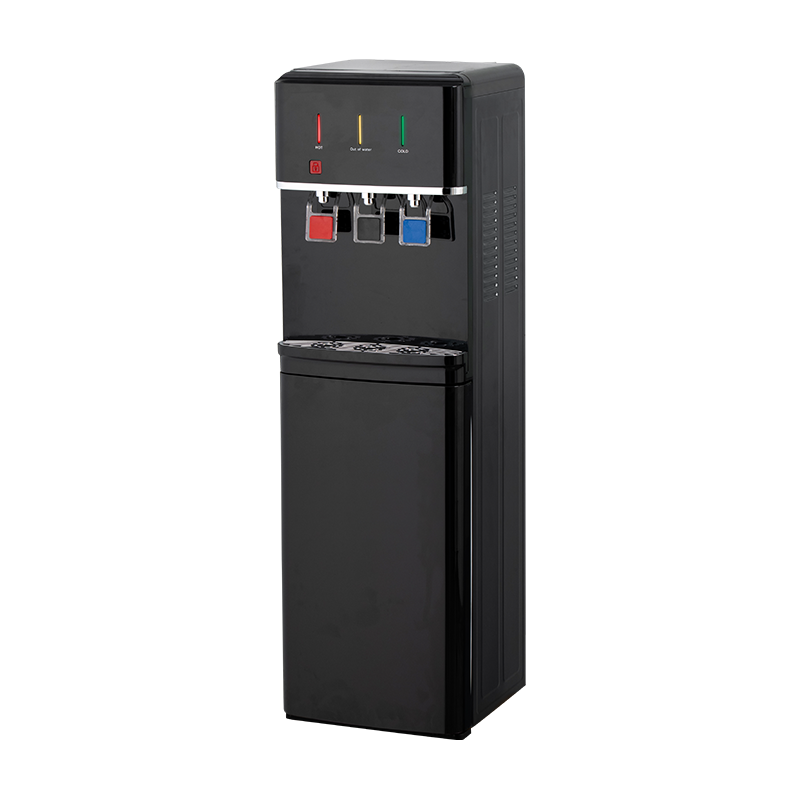
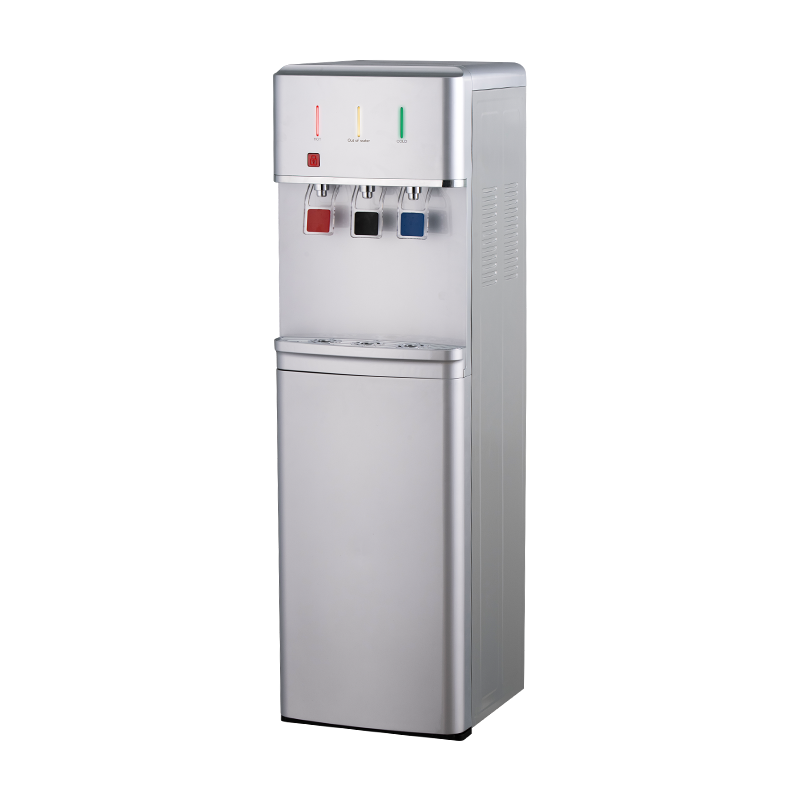
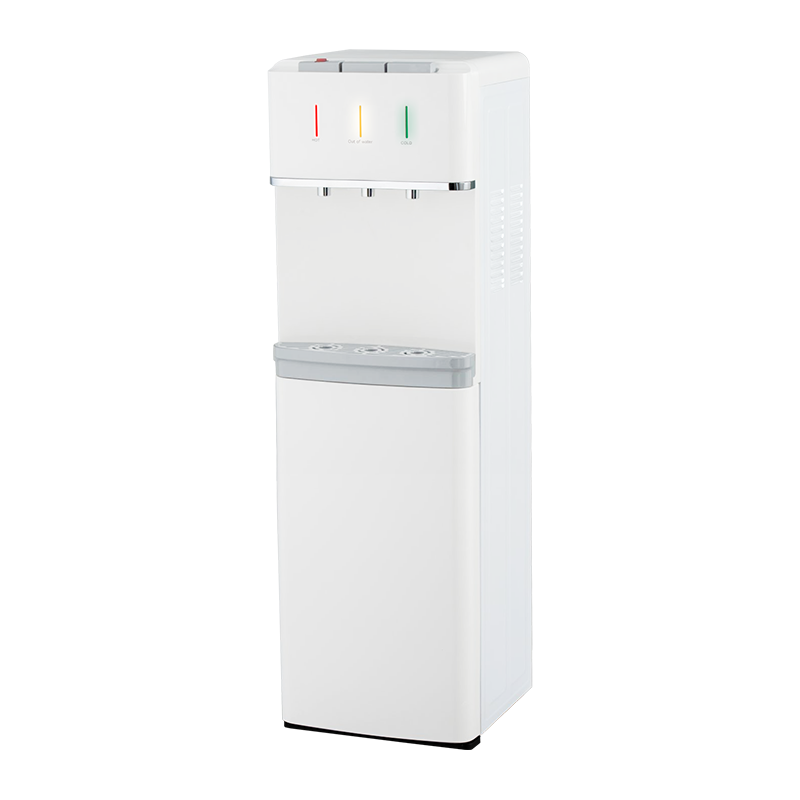
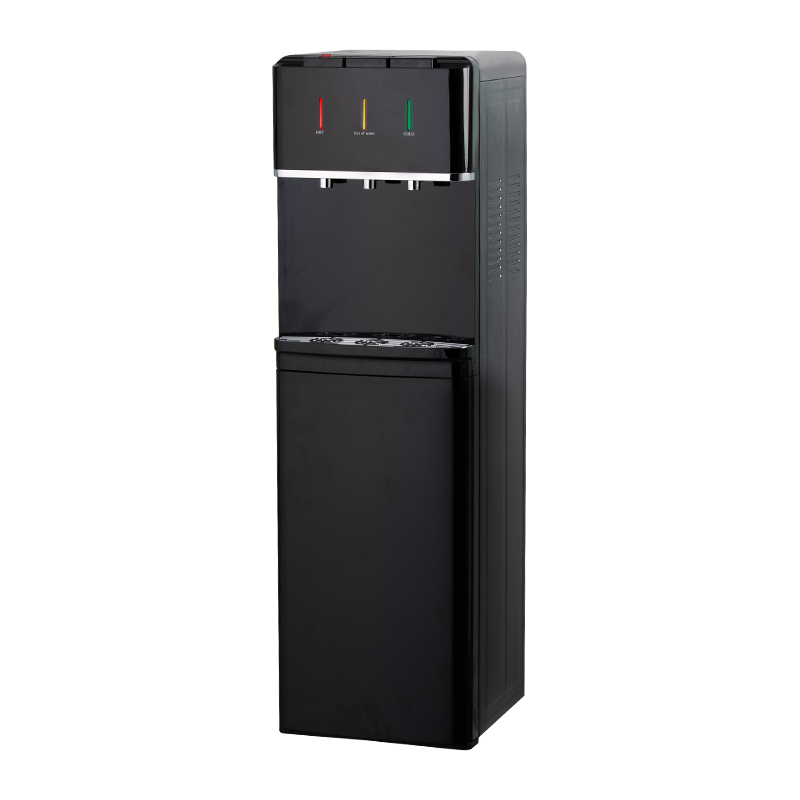
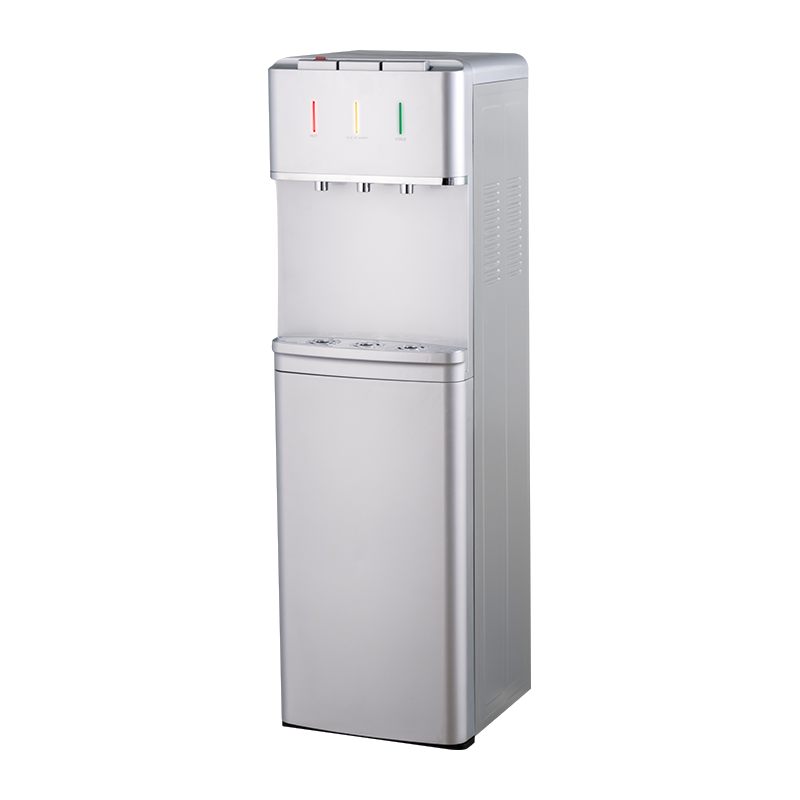
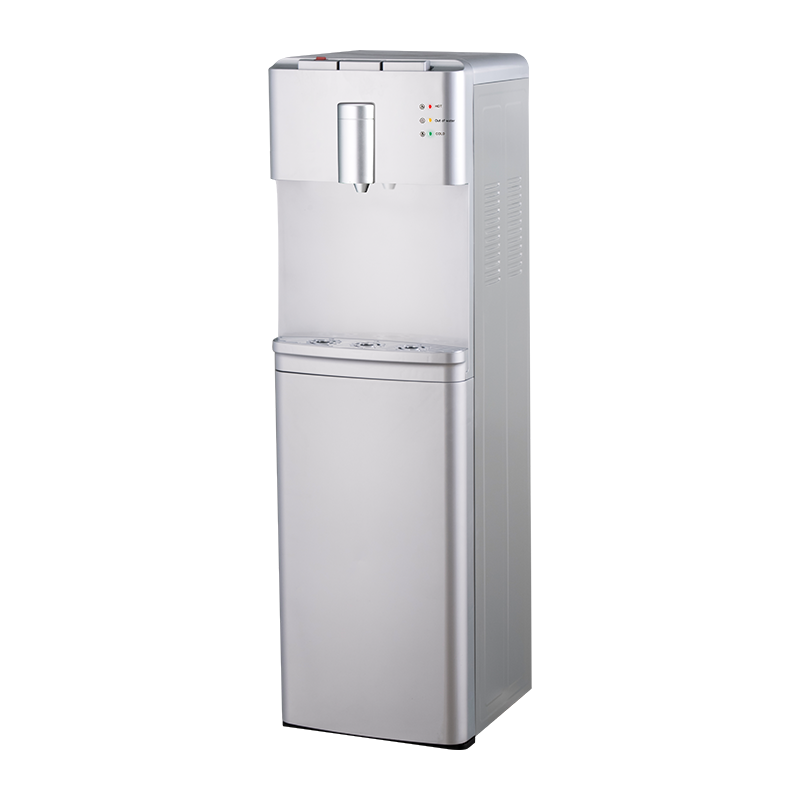
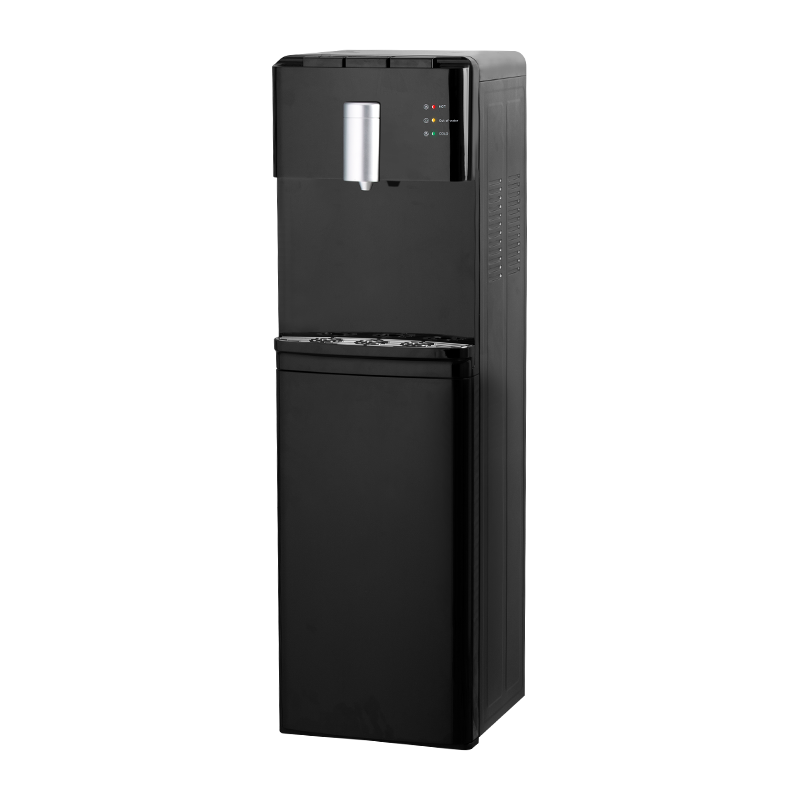
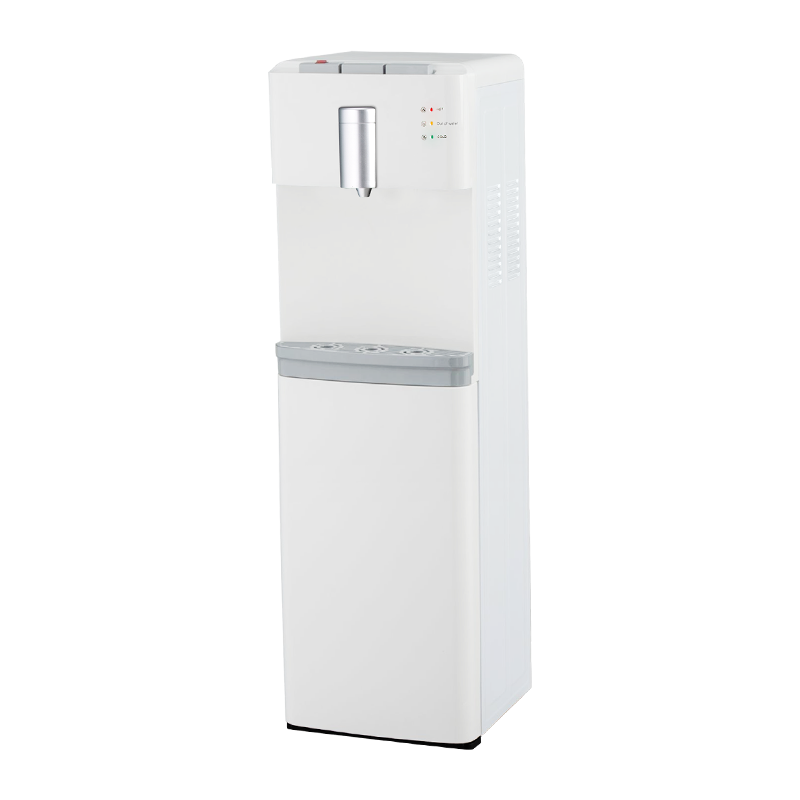
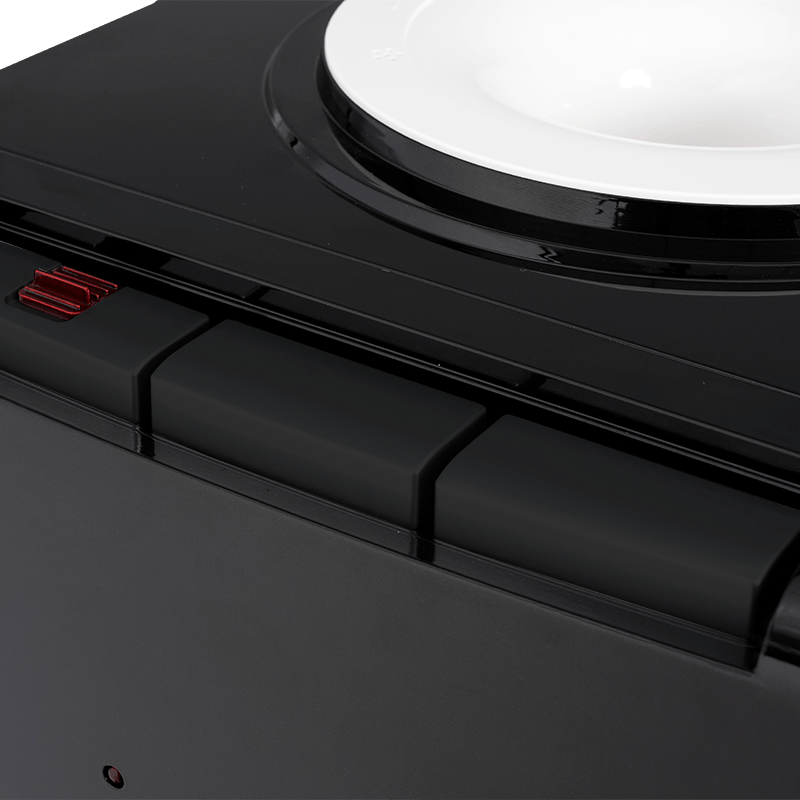
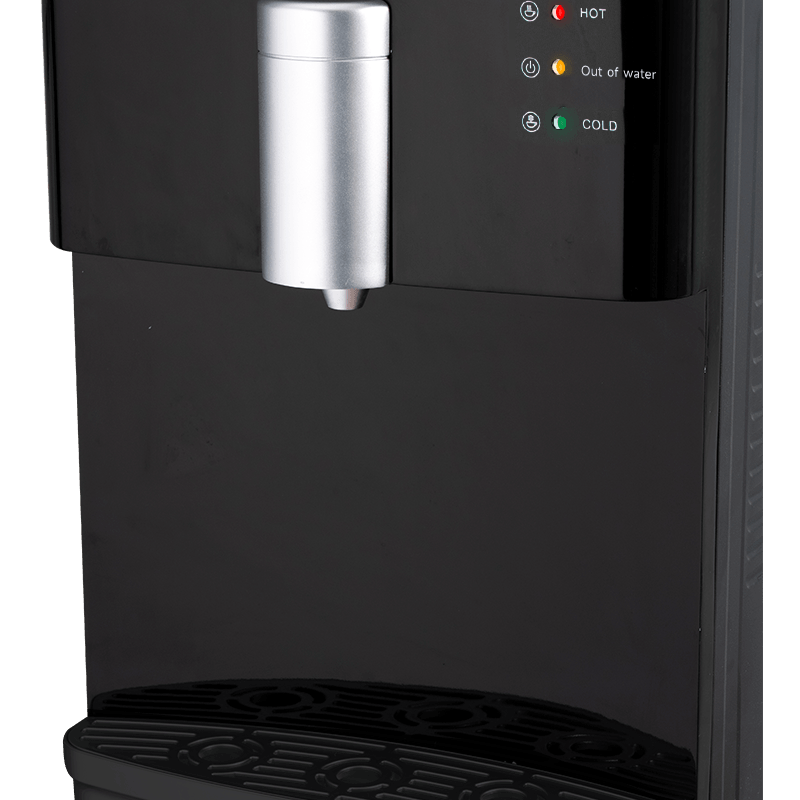
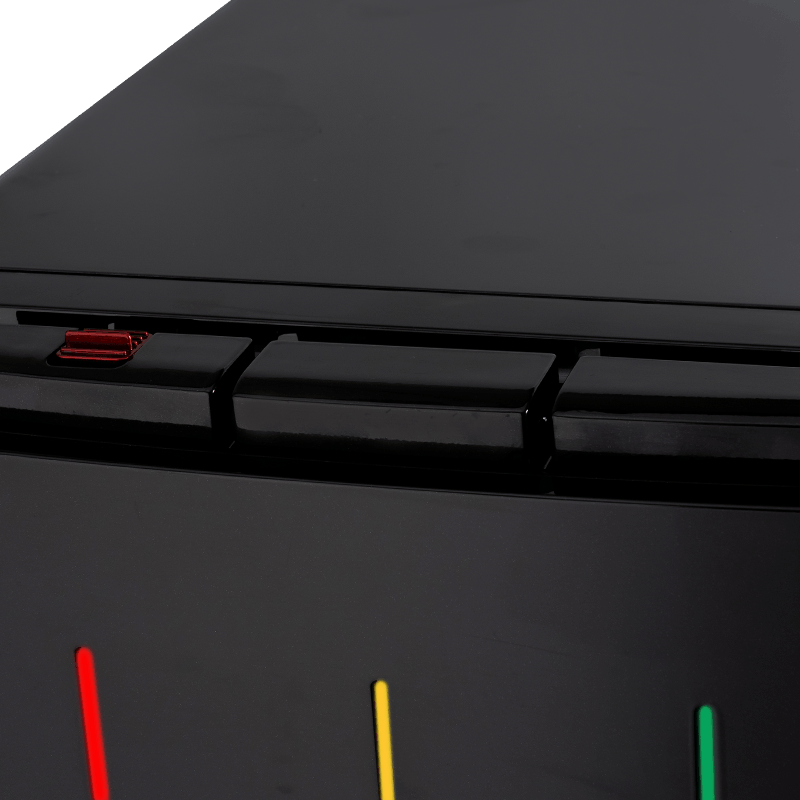
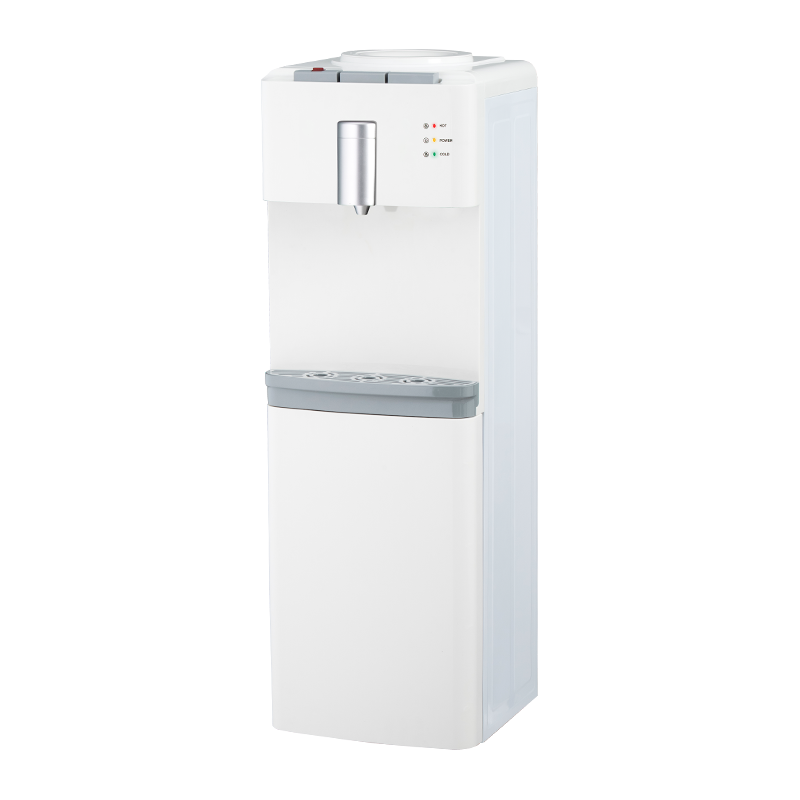
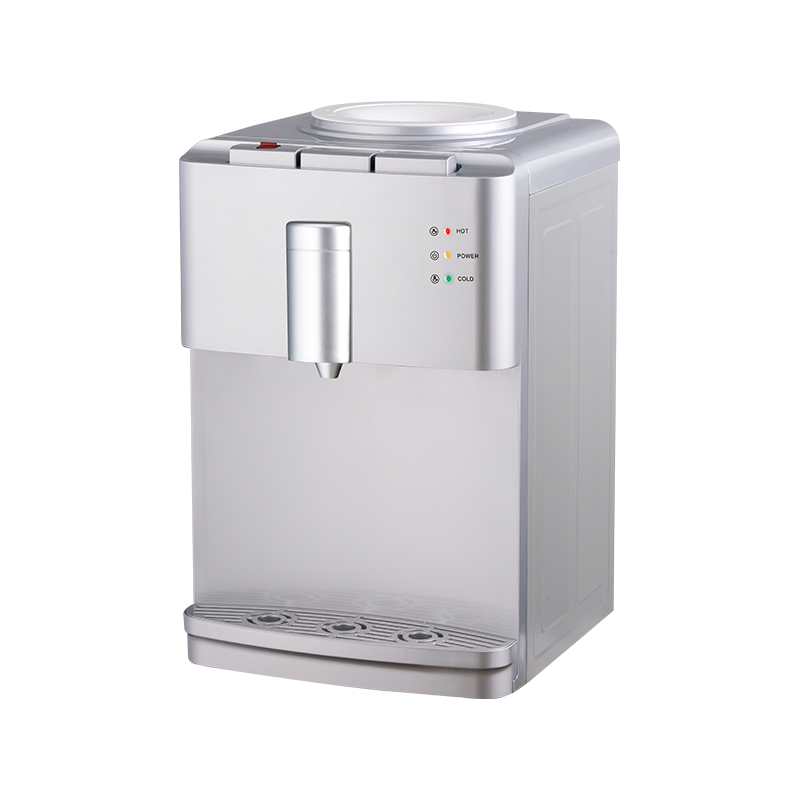
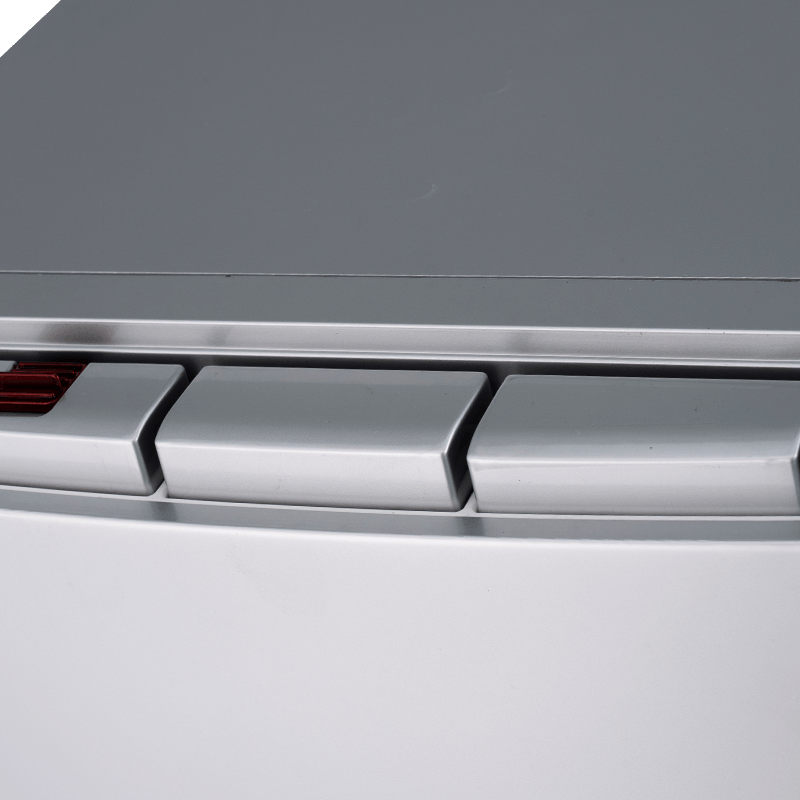
的 立式饮水机 已成为当代家庭、办公环境和商业公共空间中最实用、最广泛采用的电器之一。与占据宝贵准备表面的老一代台式饮水机或提供有限温度选择的简陋饮水机不同,现代立式饮水机是一种独立式、落地式装置,将先进的加热和冷却技术、节省空间的设计和日益智能的功能集成到一个单一的凝聚力设备中。其根本目的仍然很简单:在所需温度下提供即时的清洁饮用水。然而,在过去的十年里,它实现这一目标的方式发生了巨大的变化。立式饮水机真正的独特之处在于,它能够为茶、咖啡或方便面提供接近沸点的热水,在温暖的日子提供冰水以供提神,并为不喜欢冷热的人提供室温水,所有这些都来自一个占地不到半平方米的紧凑装置。仅这种多功能性就使其有别于单一用途的电器,例如电热水壶或存放在冰箱中的水壶。
除了方便之外,立式饮水机还同时解决了现代生活方式的几个挑战。在多个家庭成员全天都有不同饮料偏好的家庭中,单个立式装置可以满足每个人的需求,而无需操作多个电器或等待水加热或冷却。在办公环境中,员工的工作效率与水分水平直接相关,拥有可靠的优质水源可以鼓励人们经常喝水,并减少饮用只能暂时缓解口渴的含糖苏打水或含咖啡因饮料的诱惑。此外,这些分配器的垂直方向不仅是一种美观的选择,而且是一种功能性的选择。通过将出水喷嘴对准从小的浓缩咖啡杯到大的运动水瓶的高度,并将控制面板放置在舒适的视线高度,立式饮水机可以减轻用户的身体压力,特别是老年人或行动不便的人,他们可能很难举起沉重的水瓶或弯腰从低矮的装置中取水。
立式饮水机区别于其他水化解决方案的另一个决定性特征是其对不同水源的卓越适应性。消费者可以选择接受标准三到五加仑水瓶的瓶装型号,这种型号非常适合没有直接管道连接的地点,例如出租公寓、临时活动空间或远程办公室,也可以选择直接连接到建筑物供水并采用多级过滤系统的无瓶型号。近年来,随着人们对自来水质量问题的认识不断增强,后一类产品非常受欢迎。现代立式饮水机中可用的过滤系统范围广泛,从改善味道和气味的基本沉积物和活性炭过滤器,到去除重金属、氯、药物和微塑料的复杂反渗透装置,有时还辅以紫外线杀菌灯,消除任何残留的细菌或病毒。因此,无瓶立式饮水机实际上成为一个紧凑的净水厂,以极低的成本生产出可与优质瓶装品牌相媲美的水质,并且不会产生塑料废物的环境负担。
的 safety features integrated into contemporary vertical water dispensers further enhance their uniqueness and appeal, particularly in environments where children, elderly individuals, or high volumes of public users are present. Older water cooler models were notorious for allowing unrestricted access to scalding hot water, leading to burn injuries, especially among young children who could easily reach the hot water tap. Modern vertical dispensers address this critical vulnerability through several layers of protection. The most fundamental is the child safety lock, typically a spring-loaded mechanism or a two-step activation sequence that prevents the hot water button from dispensing unless deliberately overridden by an adult. Beyond this, many models incorporate anti-tip bases that make it exceptionally difficult to knock the unit over, automatic shut-off systems that deactivate the heating element when the internal water tank runs dry to prevent dangerous overheating or fire, and leak detection sensors that immediately cut power and water supply if moisture is detected inside the chassis. For commercial applications such as schools, hospitals, and public waiting areas, some vertical dispensers also feature touchless sensor activation, where placing a cup under the nozzle triggers an infrared sensor to dispense water without any physical contact, dramatically reducing cross-contamination risks in high-traffic settings.
能源效率代表了立式饮水机取得实质性进展的另一个领域,解决了人们对早期常开饮水机的普遍批评,即无论实际使用情况如何,都会持续消耗电力。传统的冷热饮水机依靠储水箱全天候将水保持在目标温度,这意味着即使在夜间、周末或办公室长时间关闭期间,该装置仍会继续汲取电力来保持水的冷热。现代立式饮水机引入了多项创新来减少这种浪费。最有影响力的是采用瞬时或按需加热技术,该技术使用高功率加热元件,仅在用户需要热水时才激活,在水流经系统时对其进行加热,而不是维持预热水库。虽然这种方法需要更高的瞬时功率,通常在两千到三千瓦之间,但每日总能耗要低得多,因为加热元件在使用之间保持完全关闭状态。对于冷水,基于压缩机的冷却系统已在很大程度上取代了高端型号中效率较低的热电冷却器,提供更快的温度恢复和更低的运营成本,而真空隔热热水箱的保温时间明显长于传统泡沫隔热材料,从而减少了再加热循环的频率。一些先进的型号现在包括可编程定时器,允许用户设置运行时间表,在可预测的闲置期间(例如夜间或周末)自动关闭加热和冷却系统,并在第一次预期使用之前恢复正常运行。这些改进使得获得能源之星认证的立式饮水机每天的耗电量仅为 0.5 千瓦时,低于典型的 50 瓦灯泡运行 10 小时的耗电量。
住宅、商业和办公环境的实际好处
的 value proposition of the vertical water dispenser varies across different usage environments, but the common thread is its ability to solve specific hydration-related pain points that alternative solutions fail to address adequately. In residential settings, particularly family homes with children, the vertical water dispenser transforms daily hydration from a chore into an effortless habit. Parents of infants quickly appreciate the ability to dispense perfectly warm water for formula preparation without waiting for a kettle to boil and then cool, a process that can take ten minutes or longer, during which a hungry baby may become increasingly distressed. For older children, having a dedicated water dispenser at an accessible height encourages self-sufficiency, allowing them to pour their own water without asking an adult for assistance or attempting to lift heavy pitchers from the refrigerator. In households where multiple family members have different beverage preferences, the vertical dispenser serves as a centralized hydration station, eliminating the kitchen clutter of separate appliances such as an electric kettle for tea, a water filter pitcher for drinking water, and a carafe stored in the refrigerator for cold water. The space-saving vertical design is particularly valuable in urban apartments where kitchen counter space is at a premium, as the dispenser can be placed against any wall or in a corner, occupying floor area that would otherwise go unused while freeing up counters for food preparation activities.
对于办公环境,立式饮水机的好处不仅限于个人便利,还包括组织生产力、员工健康和运营成本管理。研究一致表明,即使是轻度脱水(定义为体重的百分之一到百分之二的水分流失)也会损害认知功能,包括注意力、短期记忆、警觉性和情绪。在员工从事需要持续关注的知识工作的办公室环境中,确保轻松获得有吸引力的饮用水是一种简单而有效的干预措施,可以支持整个工作日的心理表现。放置在中央休息室或人流量大的区域附近的立式饮水机鼓励员工短暂休息,这也为偶然的社交互动和离开办公桌的短暂身体活动提供了机会,这两者都有独立记录的对工作场所福祉的好处。从成本角度来看,安装一个连接到建筑物供水系统并具有集成过滤功能的无瓶立式饮水机的成本通常只是组织在瓶装水输送服务上花费的一小部分。一个典型的有 50 名员工的办公室每月可能会消耗 20 到 35 加仑的瓶子,每瓶成本为 6 到 10 美元,导致每年的支出约为 1500 到 3000 美元,这还不包括瓶子库存所需的存储空间或更换瓶子所需的劳动力。无瓶立式饮水机完全消除了这些经常性成本,只留下定期更换过滤器的费用(通常每年五十到一百美元)以及加热和冷却所需的最低电力消耗。
立式饮水机的商业应用,包括餐馆、酒店、健身中心、医疗诊所和教育机构,与住宅或一般办公室模型相比,需要更高水平的耐用性、吞吐量和法规遵从性。在繁忙的餐厅厨房中,工作人员需要快速获得用于清洁和准备食物的热水以及用于饮料服务的冷水,在高峰时段通常需要每小时提供数十份服务。商业级立式饮水机通过更大的内部水箱、更强大的压缩机和更快的加热元件来满足这一需求,这些加热元件可以在使用之间更快地恢复温度。典型的商业模式可能每小时生产十到十五升热水,每小时生产八到十二升冷冻水,足以支持中等规模的食品服务运营。在诊所、医院和牙科诊所等医疗机构中,卫生要求至关重要,因此许多机构都指定具有非接触式传感器激活功能的立式饮水机、不会被外部碎片污染的密封内部水路以及能够持续处理储存的水以防止细菌生长的紫外线消毒灯。健身中心和健身房提出了一系列不同的要求,主要集中在高冷水输出量,以满足剧烈运动后口渴的顾客,以及耐用、抗冲击的结构,可以承受偶尔掉落的重量或碰撞哑铃而不会损坏。酒店越来越认识到在大堂区、健身房和商务中心放置立式饮水机的价值,作为一种免费设施,可以增强宾客体验,同时减少与在每间客房提供单独瓶装水相关的环境影响和成本。
经济和环境因素推动广泛采用
的 accelerating shift toward vertical water dispensers cannot be fully understood without examining the powerful economic and environmental forces that are reshaping consumer preferences and organizational purchasing decisions. On the economic front, the total cost of ownership comparison between a quality vertical water dispenser and continued reliance on single-use plastic bottled water is stark and compelling. For a household of four that currently purchases an average of two cases of bottled water per week, with each case containing twenty-four half-liter bottles at a typical retail price of five to seven dollars, the annual expenditure ranges from five hundred twenty to seven hundred twenty-eight dollars, not including the environmental disposal costs or the storage space required to accommodate multiple cases. Even this figure underestimates the true cost, because many households also purchase separate beverages such as bottled juices, sodas, and sports drinks, which further inflate the beverage budget. A one-time investment in a quality bottle-less vertical water dispenser, ranging from two hundred to six hundred dollars depending on features and filtration complexity, combined with annual filter replacement costs of fifty to one hundred dollars and electricity consumption of thirty to sixty dollars, yields a first-year total of approximately two hundred eighty to seven hundred sixty dollars, and subsequent annual costs of only eighty to one hundred sixty dollars. In other words, a household that switches from bottled water to a bottle-less vertical dispenser can expect to recover its initial investment within twelve to eighteen months, after which it enjoys essentially free drinking water aside from minimal maintenance expenses. For organizations with dozens or hundreds of employees, the economic case is even more compelling, with potential annual savings ranging from several thousand to tens of thousands of dollars depending on scale.
的 environmental case for vertical water dispensers is equally powerful and resonates with increasingly environmentally conscious consumers and corporations alike. The global plastic pollution crisis has reached alarming proportions, with an estimated eight million metric tons of plastic entering the oceans annually, where it fragments into microplastics that contaminate marine ecosystems and eventually enter the human food chain. Single-use plastic water bottles are among the most visible and avoidable contributors to this crisis. The production of the plastic bottles themselves requires petroleum, a fossil fuel, and the transportation of bottled water from often distant sources to retail locations generates additional carbon emissions. A single vertical water dispenser, particularly a bottle-less model with built-in filtration, can eliminate thousands of plastic bottles over its service life. A typical office vertical dispenser used by fifty employees, each of whom might otherwise consume two plastic bottles per workday, prevents the use of approximately twenty-five thousand plastic bottles annually. Over a five-year service life, that single appliance prevents more than one hundred thousand plastic bottles from being manufactured, transported, filled, consumed, and disposed of, with corresponding reductions in petroleum consumption, carbon emissions, and landfill or ocean pollution. Organizations increasingly cite such reductions in their Environmental, Social, and Governance reports, using the adoption of bottle-less hydration solutions as tangible evidence of their commitment to sustainability goals. Even bottle-fed vertical water dispensers, which still require the use of large reusable five-gallon bottles, represent a substantial improvement over single-use bottles, as each reusable bottle replaces approximately three hundred individual half-liter bottles over its service life.
除了直接减少塑料的好处外,立式饮水机还通过提高能源效率和消除与运输相关的排放,为更广泛的环境目标做出贡献。最高效的现代装置每年用于冷却和加热的总能耗不到一百千瓦时,相当于制造大约两百个塑料水瓶所需的能量。相比之下,这 200 瓶水的生产、灌装和运输将涉及数倍的能源消耗,更不用说装瓶过程本身消耗的水了,生产每升瓶装水通常需要三到五升水。无瓶立式饮水机的水效率非常优越,因为它们直接处理和分配来自市政供水的水,而没有瓶装水固有的浪费包装比例。因此,对于具有环保意识的消费者和组织来说,选择安装立式饮水机不仅仅是为了个人方便或节省成本,而是对减少塑料废物、节约能源和水资源以及减轻日常饮水的环境足迹做出的积极贡献。这种经济自身利益与环境责任的结合解释了为什么立式饮水机在从个人家庭到跨国公司的所有细分市场中得到如此迅速的采用,也解释了为什么它们作为现代生活必不可少的饮水解决方案的作用在未来几年只会继续增长。